
It’s not new to most taxpayers that once the Internal Revenue Service (IRS) kicks off collection actions after several notices and warnings of back taxes have been ignored, they can go as far as seizing wages, bank accounts, and even physical assets. When it pertains to Social Security benefits, there are limits to what the IRS can levy.
So, the simple answer is yes, you can get Social Security benefits even if you owe back taxes. However, under the Federal Payment Levy Program (FPLP), the IRS has full legal authority to levy up to 15% of your Social Security income every month through the Treasury Offset Program (TOP).
Worried the IRS will take your Social Security over back taxes? Don’t wait until you get a levy notice. Our experienced tax attorneys can walk you through your tax relief options and help you pursue the one that best fits your financial circumstances. Contact us now and see how we can help you address your tax issue.
We’ve put together this guide to explain how back taxes affect Social Security benefits, what the IRS can take, and the tax relief options you may qualify for to protect your Social Security payments.
What Are Back Taxes?

Back taxes are taxes that were not paid in full or paid at all during the year they were due. These taxes could be income taxes, payroll taxes or even self-employment taxes. For instance, the due date for federal income tax payments is April 15 each year. However, the moment the deadline passes without complete satisfaction of the tax obligation, the IRS sees the unpaid portion as back taxes and may initiate an IRS tax levy.
In most cases, back taxes accumulate failure-to-pay penalties, failure-to-file penalties, and daily interest. Over time, what may have started as a small, unpaid debt can compound and become a major financial burden. You should also be aware that in more serious cases, taxpayers may face accuracy-related penalties or civil fraud penalties, depending on the circumstances.
Why Do I Owe Back Taxes?
In addition, owing back taxes isn’t the result of a single tax mistake. It could be due to financial hardship, oversight or a miscommunication with the IRS. Some of the most common reasons why most taxpayers owe back taxes include:
- Unpaid income taxes: Taxpaying individuals who are self-employed, work freelance jobs or earn gig income often fail to correctly estimate how much they owe. Without automatic payment withholding, which is very common with traditional W-2 employees, it’s easy to fall behind on taxes if you don’t estimate payments quarterly.
- Filing errors or failure to file: In a case where you fail to file your tax return, or you file it without the correct information, the IRS may file a Substitute for Return (SFR). This particular return filed by the agency doesn’t capture the necessary deductions or credits you may be entitled to. So, it often results in an inflated IRS tax debt that tends to be higher than what you actually owe.
- Penalties and interest: Even if you started with a small tax debt, the IRS adds the penalties for failure to file, which is over 5% per month, and failure to pay, which is 0.5% of your debt for each month. Add in compound interest, and you’ll notice how the total grows faster than you may have anticipated.
- Changes in life circumstances: Divorce, job loss, illness, or simply not understanding tax obligations can all contribute in no small way to back taxes. The IRS wouldn’t wait for you to catch up if you’re facing any form of hardship that may have prevented you from paying your tax bill.
The agency will initiate a collection process once it determines that you owe back taxes. They’ll start by sending a series of notices to demand for payment. These include reminder notices such as CP14, CP501 and CP503. If you fail to take action, it’ll gradually escalate to a Notice of Intent to Levy, such as Letter 1058 or CP90. In a case where these legal warnings are ignored, it can trigger enforcement actions.
The IRS can go ahead and seize federal payments, including your Social Security benefits, to satisfy your tax liability. They can also garnish wages, take funds directly from your bank account, or place a lien on your home. You should also keep in mind that the IRS doesn’t need a tax court order to collect Social Security payments.
Can Owing Back Taxes Affect Your Social Security Benefits?
Yes, owing back taxes can affect your social security benefits. In fact, a portion of your Social Security benefits can be reduced through the Federal Payment Levy Program (FPLP). So, if you’re receiving these benefits, you may have assumed that the benefits are fully protected from collection. However, this is not the case when it comes to tax liability.
The IRS has the legal authority to collect unpaid tax debts, and one way the agency does so is by garnishing federal payments, including your monthly Social Security checks. It’s also important to note that all Social Security benefits, including Social Security Disability Insurance (SSDI) and Supplemental Security Income (SSI), are not treated equally. Some beneficiaries tend to be protected from levy.
Social Security Disability benefits are generally considered income. These benefits are based on your work history and the payroll taxes you paid over the years. So, in a case where you qualify for either social security disability payments or retirement income under this category, up to 15% of your monthly benefits can be garnished by the IRS based on federal regulations.
On the other hand, Supplemental Security Income (SSI) is a benefit that is fully protected and under no circumstances can it be garnished by the IRS. SSI is a needs-based program that aims to assist individuals with little or no income or resources by providing them with monthly payments. So, it is completely exempt from federal tax levies.
Also, be aware that the IRS doesn’t withdraw funds directly from your account if you owe back taxes. Instead, they utilize a collection mechanism called the Treasury Offset Program (TOP). Through this program, the U.S Department of the Treasury collects delinquent debts by intercepting federal payments due to the involved taxpayer,
When your unpaid tax is reported to the TOP by the IRS, it initiates a match with your incoming Social Security benefits. Once the match is made, the program offsets over 15% of those monthly payments toward your tax balance until it is fully resolved.
Typically, how long the IRS can collect back taxes over a 10-year window called the Collection Statute Expiration Date (CSED). So, when it comes to garnishing your social security benefits, take note that the offset can continue for over 10 years, depending on your total tax liability.
What Happens if the IRS Garnishes Your Social Security Benefits?
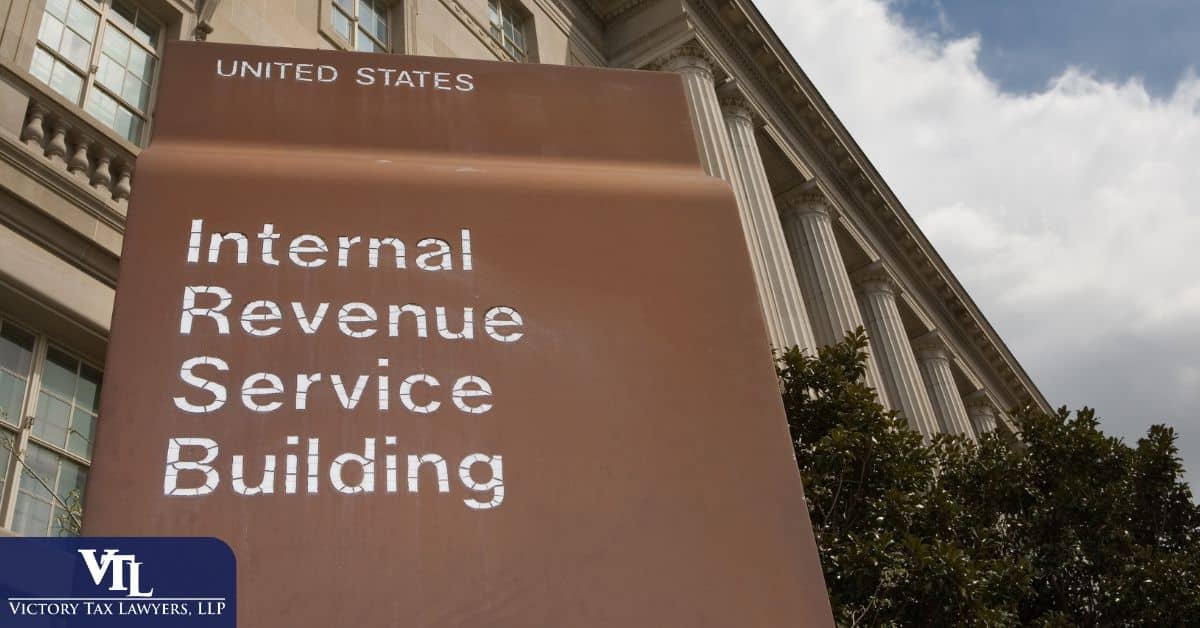
If the IRS garnishes your Social Security, you’ll continuously receive 15% less in your monthly benefits until you’ve successfully paid off your tax debt. However, before garnishment begins, you must have been notified by the IRS.
After the initial reminder notices have been sent without any resolution from you, the actual collection process begins with a notice of intent to garnish Social Security benefits due to back taxes. This letter is usually sent as Forms CP91 or CP298. You have 30 days from the day the notice was sent to either pay your balance, set up a monthly payment plan, or request an appeal through a Collection Due Process hearing.
Having received the final notice of intent to levy, the IRS may go ahead with the garnishment through the Treasury Offset Program (TOP) if you ignore the notice or fail to take the necessary action within the required 30-day timeframe. The deduction will continue month after month until your debt is fully paid off.
Fortunately, when it comes to the IRS social security levy, you are not left without options if you believe the garnishment is unfair or would cause significant hardship. You can decide to:
- Request a hearing to challenge the garnishment or propose an alternative resolution, such as an Offer in Compromise or installment agreement.
- Apply for Currently Not Collectible status if you can prove that garnishment causes financial hardship.
- Seek legal representation from a tax attorney to appeal or restructure your tax debt.
Can the IRS Garnish Benefits Retroactively?
No, your social security benefits cannot be retroactively garnished by the IRS once they have been disbursed to your account. However, this protection only covers past payments. If you’re anticipating future benefits or lump-sum back payments, the situation is different, and social security garnishment can still occur. So, you should understand that generally:
The IRS Cannot Seize Past Social Security Payments
Once your monthly Social Security benefit is deposited into your bank account, the IRS cannot move forward to take that money to settle your past due taxes. Disbursed payments are considered protected if they remain in your account and are identifiable as Social Security Benefits. The federal law, under Section 207 of the Social Security Act (42 U.S. Code § 407), makes sure that previously received payments are protected from garnishment, even in the event of back taxes.
IRS Garnishment Starts With Future Payments
While payments are safe from collection, future social benefits are not. Once a levy has been initiated by the IRS and the 30-day response period elapses without the reason for the intent to levy being resolved, the agency can begin to garnish your upcoming monthly Social Security benefits.
Large Overdue Social Security Benefits May be Offset
In a case where you finally get approved for Social Security Benefits after a delay, the IRS may offset that lump-sum payment before it hits your account. The lump sum payment could be a backdated payment that covers months or even years of benefits. However, you must remember that whilst the lump sum is offset through the Treasury Offset Program (TOP), it is not a retroactive garnishment because the payment hasn’t been disbursed yet at the time the levy was applied.
How Much of Your Social Security Can Be Garnished?
The IRS can garnish over 15% of your monthly Social Security payments through the Federal Payment Levy Program for federal back taxes and over 60% for court-ordered obligations like child support and alimony. However, as we’ve already highlighted, the agency cannot collect back taxes through retroactive garnishment of previously disbursed payments that are already in your possession.
While this authority comes from the Treasury Offset Program, the garnishment only applies to Title II benefits under the Social Security Act. This implies that only Social Security Disability Insurance can be garnished, and Supplemental Security Income is fully exempt from levy because it is a welfare-based benefit.
In addition, though a portion of your SSDL may be garnished, it’s possible for you to still owe income tax on your remaining 85% of benefits. So, in a case where you have other sources of income, including retirement accounts, part-time wages or even investment returns, your combined income may push you above the IRS threshold for taxable social security.
Once the garnishment of your social security benefits kicks off, it will remain in effect until you either pay off the entire back tax balance, enter a streamlined installment agreement or qualify for tax relief options like Currently Not Collectible Status or Offer in Compromise. You can also reach out to a tax professional to learn how you can stop your wage garnishment by the agency.
What Should You Do if You Owe Taxes and Get Social Security?

If you’re a Social Security beneficiary and owe back taxes, you’re not left without other debt resolution options. So, don’t ignore the problem. The IRS has full authority to garnish part of your benefits, and failure to take action could result in prolonged financial stress. That said, there are several steps you should take to protect your income, limit accruing interest and penalties and resolve your debt:
1. Resolve Your Tax Debt in Full
The initial step you should take if you owe taxes is to understand the exact amount you owe, including your original unpaid taxes, as well as any penalties and interest that may have accumulated over time. You can visit the IRS online portal to check your balance and get a full breakdown of your tax payments that are due.
If you’re yet to file any tax returns from previous years, they must be addressed and filed accordingly. Also, you should file your back taxes as soon as possible, even if you can’t afford to pay the full amount immediately. Filing helps prevent further penalties and demonstrates to the IRS that you’re making an effort to get back on track.
2. Contact the IRS
Once you’ve reviewed your tax debts and filed any tax return you might have missed, you can contact the Internal Revenue Service (IRS) by phone using the number listed on the most recent notice you received from the agency.
Reaching out gives you an opportunity to discuss your situation, ask questions about your account and explore tax relief options. Depending on your situation, the IRS may be able to temporarily halt collection actions or offer you other payment alternatives.
In the meantime, be aware that during filing season, the average wait time for contacting the IRS is over 3 minutes. However, when it comes to post-filing seasons, you may have to wait for over 12 minutes. Try your best to also contact the agency between 7am and 7pm on workdays and be prepared with your Social Security number and every relevant tax document.
3. Consider an Offer in Compromise (OIC)
An Offer in Compromise (OIC) may be available if you cannot afford to pay your full tax debt without entering into more debt or financial hardship. This IRS program allows eligible taxpayers to settle for less than the total taxes owed.
Also, remember that approval for an Offer in Compromise isn’t guaranteed. However, to increase your chances of getting approval once you qualify for this tax relief option, you must correctly file Form 656 and Form 433-A (for individuals) or Form 433-B (for businesses) and provide other necessary supporting documentation.
5. Speak With a Tax Professional
While it’s possible to settle with the IRS by yourself, complex cases that involve social security benefits garnishment may require expert assistance. In this situation, you can speak with a qualified tax professional, such as an enrolled agent or tax attorney, to gain a better understanding of your resolution options and avoid costly missteps.
You should also hire a tax attorney in cases where you need to prepare the necessary tax forms, file unfiled returns or have someone communicate directly with the IRS on your behalf to negotiate possible outcomes.
5. Monitor Your Social Security Benefits Regularly
Make it a habit to review your Social Security benefits regularly through your account on the Social Security Administration website. Look for any reductions, changes in monthly amounts, or notations about offsets. If anything seems off, compare it with the recent IRS notice you received and contact the IRS right away for clarification.
6. Stay Current on Future Taxes
The fact that the IRS may be willing to negotiate your back tax debt doesn’t necessarily imply that they’ll keep extending grace if you fall behind in future taxes. So, once you’ve reached a negotiation with the IRS, be sure to stay compliant with future taxes going forward. This means filing tax returns on time and making your quarterly estimated tax payments if you’re self-employed.
Moreover, if you’re employed, you should verify that your employer is withholding the correct amount from your paycheck. Remaining compliant prevents future enforcement and protects your benefits from being targeted again.
What if You’re Already Living on Low Income or Fixed Income?
If you’re already living on a low or fixed income and barely able to cover your basic needs, including rent or groceries, you may qualify for an IRS hardship program. This implies that the IRS may temporarily pause collection activities by classifying your account as Currently Not Collectible (CNC).
The CNC status is basically for taxpayers whose financial situation makes it impossible for them to comfortably pay back taxes. It also captures individuals who are disabled or retired and depend solely on Social Security benefits.
To qualify for this status, you’ll need to submit a financial hardship request Form 433-A or 433-F, which covers your income, living expenses, and any assets. Once the IRS reviews the form, it can then determine whether the collection would leave you unable to afford essentials like housing, medical care, or food.
Should there be a case where your CNC status request isn’t granted after the review, you may still qualify for a low-income installment agreement. This agreement allows you to pay back your tax debt in small, manageable monthly installments based on your financial capacity. Either way, just remember that you’ve not run out of alternative options, especially if you speak with a tax attorney who can help tailor the right strategy for your income level.
What Happens if You Ignore Your Back Taxes?

If you ignore your back taxes, they won’t go away. Instead, they will only trigger IRS collection actions that could put your income and any property you own at risk. The enforcement actions you may face include:
- Bank levies: The IRS may go ahead to freeze and seize funds directly from your bank account without prior notice to you. In turn, this can disrupt your ability to pay rent, buy groceries, or handle any unexpected emergencies that may arise.
- Federal tax liens: A lien is a legal claim the government places on your property. It can damage your credit score, which will make it difficult for you to refinance a home, sell assets, or secure new lines of credit.
- Seizure of physical assets: If the IRS cannot collect through Social Security or bank levies, it may proceed to seize physical assets, such as your car, real estate, or any other valuable property you own.
- Passport restrictions: In a situation where you owe over $64,000 in back taxes and need to get a passport, the IRS can certify your delinquent tax debt to the U.S. State Department. Once this happens, your passport application may be denied, or your passport renewal may be revoked.
- Ineligibility for future tax refunds: Any future tax refunds you’re entitled to may be intercepted and applied toward your pending tax through the Treasury Offset Program.
- Increased penalties and interest: The longer you ignore your tax debt, the more your balance grows. Interest accrues daily, and additional penalties are tacked on for late filing or payment. All of these will automatically increase your total tax bill.
Worried About the IRS Taking Your Benefits?
Yes, you can still receive Social Security benefits if you owe back taxes. However, that doesn’t necessarily imply that your benefits are fully protected from collection. The IRS is legally authorized to garnish up to 15% of your monthly Social Security payments through the Treasury Offset Program once you fail to resolve your back taxes.
It’s also important that you don’t wait until you see a drop in your Social Security deposits before resolving your back taxes. At this point, you may have limited resolution options, and the process becomes stressful. Instead, you can avoid any form of collection action by reviewing your tax situation, contacting the IRS to set up a monthly payment plan and working with an experienced tax attorney.
Are you facing social security offsets or any collection actions from the IRS as a result of back taxes? Get expert assistance. Victory Tax Lawyers have the best tax attorneys who can provide tailored legal services to handle your situation. Contact us for a free consultation or visit our Los Angeles Office to explore the best possible resolution option for your situation.
FAQ
Will I Lose All My Social Security if I Owe the IRS?
No, you won’t lose all your Social Security benefits if you owe the IRS. The agency can only garnish not more than 15% of your monthly Social Security through the Treasury Offset Program if you owe back taxes.
Can Social Security Disability (SSDI) Be Garnished Too?
Yes, your Social Security Disability Insurance (SSDI) benefits can also be garnished if you owe back taxes. The IRS treats SSDI like retirement benefits when it comes to collections. This implies that the agency can withhold up to 15% of those benefits.
Does This Affect Supplemental Security Income (SSI)
No, your Supplemental Security Income (SSI) benefits are not subject to IRS garnishment for back taxes. SSI is a needs-based program and is generally protected from collection under federal law.
How Long Can the IRS Collect From My Benefits?
The IRS has over 10 years from the date of assessment to collect a tax debt. If your Social Security is being garnished, it will continue until the debt is paid or the statute of limitations expires.
How Can I Stop the IRS From Garnishing My Social Security Benefits?
To stop the IRS from garnishing your social security benefits, you can request a payment plan, apply for Currently Not Collectible status, or an Offer in Compromise. Contacting a tax attorney who can help you identify the best solution for your situation is also a good option.
Are Social Security Benefits Considered Income for Tax Purposes?
Yes, Social Security benefits are considered income for tax purposes. Keep in mind that depending on your total income, up to 85% of your Social Security benefits may be taxable. This is different from garnishment and applies to your federal income tax return.
✓ Attorney-Reviewed Content
This content was written and reviewed by the licensed tax attorneys at Victory Tax Lawyers, LLP. Our attorneys specialize in IRS tax relief and are licensed members of the California State Bar with a nationwide practice.
Last Reviewed: 2026 · Meet Our Attorneys →