An IRS audit is simply a review of your tax return to check if you’ve reported your income, deductions, and taxable income correctly according to tax laws. While most taxpayers will never be audited, certain things on a return can catch the IRS’s attention. You need to be aware of these audit triggers to avoid unnecessary problems with the IRS.
Some of the most common IRS audit triggers include unreported income, claiming excessive deductions, or filing complex tax returns. These situations will not necessarily result in an audit. But if not handled carefully, they will raise questions.
Flagged for an audit or worried you might be? Our tax attorneys at Victory Tax Lawyers offer trusted audit representation to protect your finances. Schedule a free consultation today!
This article explains what triggers an audit, the greatest red flags that the IRS considers, how to maintain organized supporting documents, and under what circumstances it is reasonable to hire a tax attorney.
What Is an IRS Audit?

An IRS audit is a formal review of your tax return. This is to make sure the information reported is accurate and follows federal tax laws. Simply put, it’s how the Internal Revenue Service checks if you’ve paid the correct amount of taxes. Audits aren’t always a sign of wrongdoing, but they can be time-consuming, especially if records aren’t in order.
There are several types of audits, and how the IRS contacts you will depend on the audit type. The most common is a correspondence audit. With the correspondence audit, the IRS sends you a letter asking for clarification or supporting documentation. As for an office audit, you have to meet with an IRS agent at a local IRS office to go over certain items on your return. The most thorough option is a field audit. This involves an IRS agent visiting your home, business, or tax professional’s office to review your records in detail.
The IRS uses both random selection and specific audit triggers to decide which returns to examine. Some audits are chosen by a computer system that spots inconsistencies, while others are flagged because of high deductions or unreported income on your return.
Audits happen for several reasons. Sometimes it’s a simple mistake. Other times, it’s because your return stood out from other taxpayers in your income bracket. Either way, understanding how audits work is the first step to reducing your risk.
Common IRS Audit Triggers
The IRS doesn’t audit randomly. Certain patterns on a tax return can raise red flags and increase your chances of being audited. While no one can guarantee complete audit-proof tax returns, knowing what typically triggers IRS scrutiny can help you file more accurately and avoid unnecessary headaches.
1. High Income or Significant Changes in Income
Taxpayers with high income are audited at higher rates than those earning moderate wages. The logic is simple. The more you earn, the more potential there is for tax liability, complex tax returns, and possible errors or underreporting.
Even if you don’t fall into a high-income bracket, a sudden spike or drop in your reported income can raise questions. For example, if your income increases dramatically in one tax year compared to previous years, it may trigger an audit notice. The same goes if you report significantly lower income without proper explanation or supporting documentation.
2. Unreported Income
One quick way to get flagged for an IRS audit is failing to report all your income. The Internal Revenue Service receives detailed reports from third parties like employers, banks, and payment processors, which it uses to cross-check your tax return.
Also, if you leave out side gigs, freelance work, or cryptocurrency transactions, it won’t go unnoticed for long. Platforms like Venmo, PayPal, and crypto exchanges now send 1099 forms directly to the IRS.
3. Discrepancies Between Reported Income and Third-Party Data
The IRS relies heavily on data matching technology to identify inconsistencies between what you report on your tax return and what others report about you. Every year, the IRS receives millions of forms from employers, banks, and payment processors such as W-2s, 1099s, and even bank statements. If the numbers on your return don’t line up with these records, it can easily trigger an audit.
4. Excessive Deductions or Unusual Expenses
Claiming deductions is normal for reducing your taxable income. The problem arises when those deductions appear unusually high compared to your reported income. One common example is reporting large charitable donations that seem out of proportion to your overall earnings without proper documentation.
Business expenses are another frequent trigger. If you claim costs that don’t align with your industry or report unusually high business meals, travel, or other deductions, it can lead to questions. The same applies to home office deductions. Although valid, these are frequently misused. The IRS may look closely to ensure your home office meets the requirement of being used exclusively and regularly for business.
5. Claiming the Earned Income Tax Credit (EITC)
The Earned Income Tax Credit (EITC) is a valuable benefit for qualifying low to moderate-income workers, offering substantial tax refunds in many cases. However, because of the credit’s high refund potential, it’s also one of the most closely scrutinized areas on a tax return.
The IRS frequently audits EITC claims due to a long history of errors and overclaims (both accidental and intentional). Common mistakes include misreporting income, incorrectly claiming children who don’t meet eligibility rules, or filing with an inaccurate marital status. Even a small error on an EITC claim can delay your refund or trigger a full IRS audit.
6. Self-Employment and Cash Businesses

If you’re a small business owner, self-employed, or you operate a cash-heavy business like a salon, restaurant, or freelance service, you’re more likely to draw IRS attention. These types of businesses are considered higher risk because cash transactions are harder to track, and unreported income is more common.
The IRS often scrutinizes these returns for signs of underreporting, whether accidental or deliberate. Red flags include inconsistent income, unusually high deductions, or low reported profits over multiple years. Without solid recordkeeping or clear documentation to back up your figures, the likelihood of an audit increases significantly.
7. Large Charitable Contributions
Charitable giving can lower your taxable income, but donations that appear unusually large compared to your reported income are a classic IRS audit trigger. The IRS often flags returns where charitable donations seem out of step with a taxpayer’s earnings, especially when the deductions dramatically reduce tax liability.
If you’re claiming significant donations, you’ll need to follow IRS documentation requirements closely. For smaller contributions, a bank record or receipt might be enough, but larger gifts (anything over $250) require a written acknowledgment from the charity. Non-cash donations like vehicles or property have additional rules, including fair market value assessments and sometimes appraisals.
8. Rental Property and Real Estate Transactions
Owning rental property comes with tax benefits, but it also brings extra scrutiny from the IRS. One common audit trigger involves rental losses. It’s normal for property owners to deduct certain expenses. However, if this becomes a consistent occurrence, the IRS will come knocking.
Another area the IRS monitors closely is depreciation claims. Depreciation can help reduce your tax liability over time, but failing to recapture depreciation when selling a property often leads to audits. The same applies to passive activity losses. Rules around passive income and losses are strict, and misapplying these deductions is a frequent red flag.
9. Claiming a Home Office Deduction Incorrectly
The home office deduction is one of the most commonly misused tax deductions, which is why it frequently raises red flags with the IRS. To claim it legally, the space you designate must be used exclusively and regularly for business purposes.
Many taxpayers make simple but costly mistakes, like claiming a deduction for a room that doubles as a guest bedroom or overstating the percentage of their home used for business. The IRS often audits returns where home office expenses appear unusually high or inconsistent with the type of business being reported.
Other Red Flags
Beyond the major triggers, there are a few additional habits that can quietly attract IRS attention. One of them is claiming excessive business travel or meal expenses. What the IRS expects is that these deductions are reasonable and directly tied to legitimate business activities. If not, you trigger an audit.
Another red flag is using business losses to consistently offset non-business income, such as wages or investment earnings. This is actually legal in certain cases. But when there are large or repeated losses, the IRS will look closely at whether the business is truly for profit.
Also, frequent changes to your tax return, especially through amended returns, can also increase audit risk. That is, multiple corrections, inconsistencies, or late filings.
How the IRS Uses Technology to Detect Audit Triggers

The IRS relies heavily on advanced technology to flag tax returns for possible audits. One of their primary tools is the Discriminant Function System (DIF). This is a computerized screening system that scores tax returns based on how much they deviate from typical patterns. The higher the score, the more likely it is that your return will be pulled for closer inspection.
The IRS also uses third-party data matching to verify income and deductions. Banks, employers, payment platforms, and other institutions send the IRS copies of forms like W-2s, 1099s, and mortgage interest statements. When your tax return doesn’t line up with this external data, it raises an immediate red flag.
This combination of algorithms and data cross-checking makes the IRS audit process more efficient and precise. It allows the IRS to quickly identify inconsistencies and unusual claims without manually reviewing every return.
What to Do If You’re Audited
If you do receive an audit notice, here’s what you need to do to handle it with confidence:
-
Don’t panic – Audits can be stressful, but understanding your rights and staying organized can make things easier. You have the right to representation and to respond with supporting evidence.
-
Gather all relevant documentation – Be prepared to back up every deduction, credit, and income report on your tax return. This includes receipts, bank statements, charitable donation letters, and other supporting documents.
-
Respond promptly – Always meet IRS deadlines. Ignoring audit notices can lead to penalties, increased tax liability, or further enforcement actions.
-
Consider professional help – At Victory Tax Lawyers, our tax attorneys handle every stage of the audit process. Contact us for a free consultation or explore our IRS audit defense services to get started.
How to Respond if You Get Audited
If you’re audited, the first step is to gather all relevant documentation as soon as possible. Every figure on your tax return should be backed by clear, organized records. Having this ready early can help resolve the audit faster.
It’s also wise to consider hiring a tax attorney, especially if your case involves complex tax matters or large sums. Professional guidance can help you avoid missteps and make sure your responses are accurate and complete.
Throughout the audit, stay honest and cooperative with the IRS. Clear communication and a professional approach go a long way toward a smoother process.
Finally, if you disagree with the IRS’s audit findings, you have the right to challenge the decision. You can provide more documentation, request an appeal, or file an audit reconsideration depending on the situation.
How to Avoid an IRS Audit
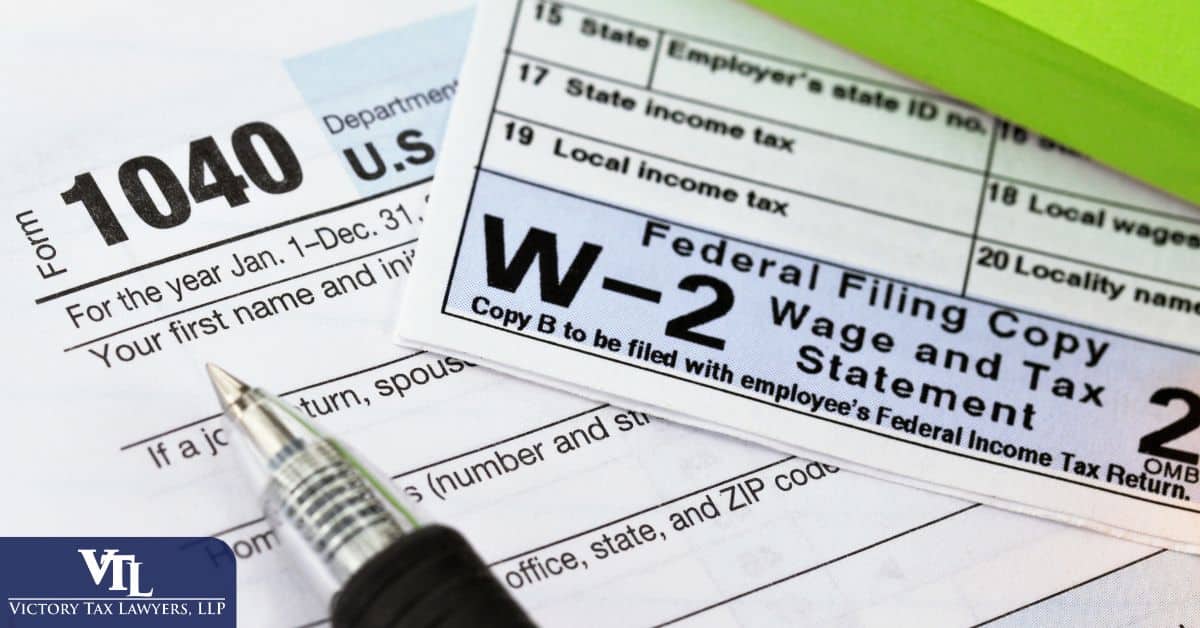
To reduce the chances of facing an IRS audit in the first place, follow these key best practices:
- Keep Accurate Records – Always retain detailed records of your financial activity. Solid records make it easier to defend your return if the IRS ever raises questions.
- Report All Income – Make sure to report every source of income on your tax return, including W-2s, 1099s, freelance earnings, rental income, and side jobs. The IRS matches third-party data, and omissions are a common audit trigger.
- Avoid Round Numbers – Using exact figures on your tax forms shows accuracy and professionalism. Filing with consistently round numbers can make your return look estimated or careless.
- File Electronically – E-filing your taxes reduces calculation mistakes, ensures faster processing, and lowers the chances of triggering math error audits or other simple mistakes.
- Work With a Tax Professional – Complex tax returns, significant deductions, or self-employment income can all increase audit risk. Hiring a tax professional or tax attorney helps you avoid common pitfalls and keeps your return compliant with IRS tax laws.
Worried You Might Trigger an IRS Audit?
IRS audits are uncommon, but they’re not random. The IRS is constantly on the lookout for certain red flags, like unreported income, inflated deductions, or inconsistencies in your return, that could prompt a closer look. Even honest mistakes can raise questions and lead to stress, delays, or financial consequences. However, your chances of being flagged can be reduced with the right knowledge, careful documentation, and proper filing practices.
At Victory Tax Lawyers, we’re not just here to react; we’re here to protect. Our experienced tax attorneys specialize in IRS audits and representation. We’ll help you understand your rights, prepare the proper documentation, and fight to protect your financial future. Schedule a free consultation today.
FAQs
To wrap up, here are answers to some common questions about IRS audit triggers and what you can do if you’re selected for review. These quick insights will help you stay informed and prepared.
1. How Likely Is It to Get Audited by the IRS?
Most taxpayers never face an audit. In recent years, IRS audit rates have hovered below 1%.
2. At What Point Does the IRS Audit You?
An audit can happen after you file your tax return, usually within two to three years. However, if the IRS spots significant errors or receives third-party data that doesn’t match your filing, they may act sooner.
3. What Raises Red Flags for the IRS?
Common audit triggers include unreported income, unusually high deductions, excessive charitable contributions, home office deductions, and discrepancies between your tax return and third-party reports.
4. How Does the IRS Select Returns for Audit?
The IRS uses automated systems like the Discriminant Function System (DIF) and data matching to flag returns. Some audits are random, while others are triggered by specific inconsistencies.
5. Can Claiming a Home Office Deduction Trigger an Audit?
Yes. The home office deduction is often abused, so the IRS tends to scrutinize these claims.
6. What Should I Do if I Receive an Audit Notice From the IRS?
Don’t ignore it. Review the IRS notice carefully, gather all relevant records, and consider speaking with a tax attorney to guide your response.
7. Are Charitable Donations a Common IRS Audit Trigger?
Yes. This is especially true if your charitable contributions seem unusually large compared to your taxable income. Always retain proper documentation, like donation receipts and acknowledgment letters.
✓ Attorney-Reviewed Content
This content was written and reviewed by the licensed tax attorneys at Victory Tax Lawyers, LLP. Our attorneys specialize in IRS tax relief and are licensed members of the California State Bar with a nationwide practice.
Last Reviewed: 2026 · Meet Our Attorneys →