A tax compliance officer plays a critical role in ensuring businesses and individuals adhere strictly to tax laws and regulations, safeguarding government revenue while preventing legal complications for taxpayers. Their responsibilities include reviewing financial records, conducting audits, and assessing tax returns to detect discrepancies or potential non-compliance. By monitoring tax obligations and providing guidance on proper reporting, a tax compliance officer helps maintain transparency, enforce regulations, and promote ethical financial practices across organizations.
Is your business struggling to maintain full compliance with tax laws? Victory Tax Lawyers simplifies tax compliance by guiding businesses through tax audits, reporting, and regulations with expert precision. Protect your finances, reduce risk, and stay ahead of issues. Contact us now for trusted, professional support!
In this post, we will explore the key responsibilities, skills, and importance of a tax compliance officer in ensuring adherence to tax laws and regulations.
What Are the Key Responsibilities of a Tax Compliance Officer?

A tax compliance officer is primarily responsible for ensuring that individuals and organizations comply with tax laws and regulations. Their duties include reviewing financial statements, conducting financial statement analysis, examining tax returns and other documentation to identify discrepancies or potential non-compliance, carrying out tax audits, and taking appropriate steps to verify that tax payments and filings are accurate and timely. They may also initiate enforcement actions when serious violations occur, ensuring accountability and adherence across all filings.
They assist taxpayers and businesses in accurate reporting to avoid legal complications or fines. By analyzing financial data and monitoring adherence to increasingly complex tax regulations, tax compliance officers play a pivotal role in maintaining transparency, fairness, and ethical financial practices throughout the tax system.
In addition to audits and record reviews, a tax compliance officer may investigate suspected cases of tax fraud or evasion, prepare reports on compliance findings, and liaise with legal or regulatory authorities when necessary. They often advise management on tax obligations and emerging regulatory changes, ensuring organizations remain up-to-date and compliant.
When asked about the essential skills for a tax compliance officer or how they ensure businesses meet tax deadlines, the answer often involves a strong analytical ability, meticulous attention to detail, and a deep understanding of tax laws. These are the tools they use to maintain the integrity of the financial system.
What Are the Daily Responsibilities of a Tax Compliance Officer?
A tax compliance officer’s daily responsibilities revolve around ensuring businesses and individuals consistently fulfill their tax obligations across income taxes, corporate tax, and other tax liabilities. Typical tasks include monitoring tax compliance by reviewing transactions, conducting tax-related accounting, examining financial records, and evaluating tax filings to detect errors or potential violations. These reviews help ensure compliance with federal, state, and local tax laws, including requirements set by the IRS.
They also spend significant time preparing reports that summarize compliance activities, highlight discrepancies, and provide actionable recommendations to management. These daily tasks are key parts of a tax compliance officer’s job, focusing on being accurate, alert, and actively managing tax risks to help maintain the organization’s financial health.
Another key aspect of a tax compliance officer’s day involves liaising with regulatory bodies, such as tax authorities, government agencies, and the IRS, to clarify compliance requirements, submit reports, or respond to inquiries. They may also communicate with external firms for specialized services related to audits or tax issues.
They ensure organizations remain aligned with evolving tax laws by maintaining clear communication and staying updated on regulatory changes. Overall, the tax compliance officer’s duties combine analytical review, reporting, and coordination to uphold transparency and legal adherence on a day-to-day basis.
What Skills and Qualifications Does a Tax Compliance Officer Need?
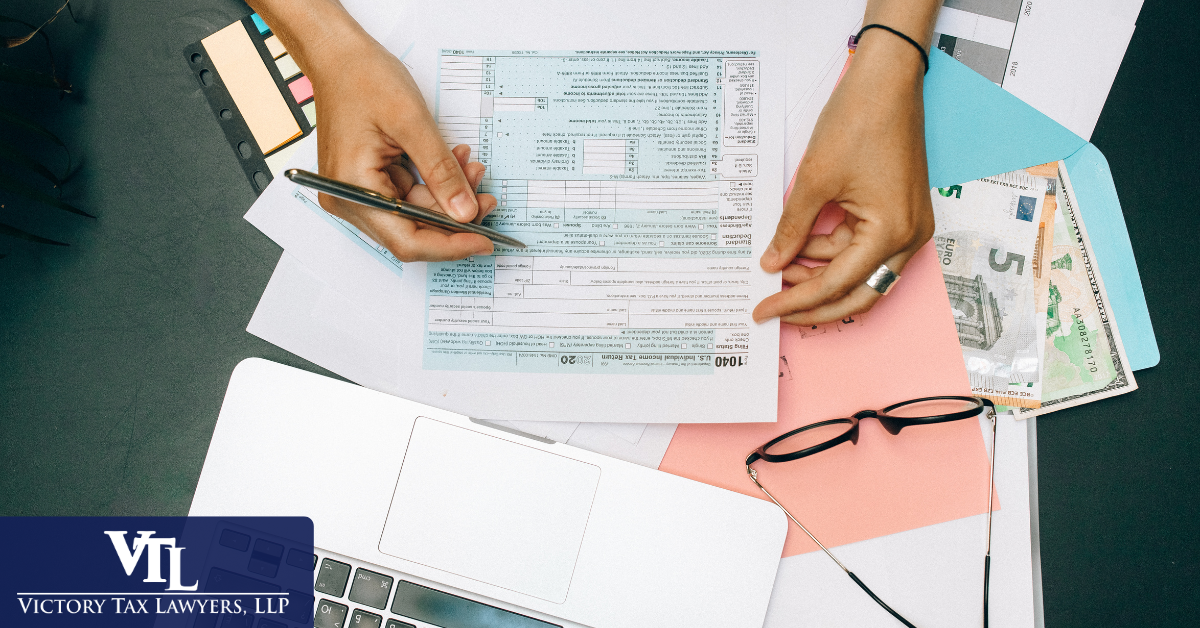
To excel as a tax compliance officer, a person needs several essential skills and qualifications. Strong analytical skills are critical for reviewing financial statements, tax filings, and complex data to identify discrepancies or potential compliance issues. Equally important is attention to detail, as even minor errors in tax reporting can lead to significant penalties or legal challenges.
Tax compliance officers must also utilize effective communication skills to request additional information, explain findings, and provide guidance on tax preparation and tax planning. These abilities ensure they can accurately assess compliance, prepare reports, and support both organizations and individuals.
In terms of qualifications, most employers require a bachelor’s degree in accounting, finance, or taxation, along with practical experience in auditing or tax compliance. Many officers advance their careers by obtaining professional certifications, such as becoming Certified Public Accountants (CPAs) or earning other recognized tax-related credentials.
These qualifications validate a candidate’s expertise in tax laws and regulatory standards. They ensure the individual is well-prepared to handle the responsibilities of the role and maintain strict compliance across all tax-related operations.
How to Become a Tax Compliance Officer?
Becoming a tax compliance officer typically begins with obtaining a relevant degree in accounting, finance, taxation, or a related field, providing a strong foundation in financial principles and tax regulations. After formal education, gaining practical experience through internships, audit roles, or entry-level positions in finance or tax departments is essential.
Hands-on exposure helps develop critical skills like analytical thinking, attention to detail, and familiarity with compliance processes. Understanding both local and international tax laws can also provide an edge, especially when seeking tax positions in organizations that handle cross-border transactions.
To gain a competitive advantage, aspiring officers should pursue professional certifications, such as Certified Public Accountant (CPA), Chartered Tax Advisor (CTA), or specialized tax compliance courses, which distinguish them in the job search and on job postings. Considering geographic location when exploring employment opportunities can also impact career prospects, as demand for tax compliance expertise may vary by region.
Continuous professional development, including staying updated on evolving tax regulations and leveraging technology for compliance monitoring, positions candidates as highly capable and adaptable. Combining formal qualifications, practical experience, and specialized certifications not only meets the typical requirements for a tax compliance officer but also provides unique expertise that makes them indispensable in ensuring regulatory adherence and financial integrity.
What Are the Educational Requirements to Become a Tax Compliance Officer?

Aspiring tax compliance officers typically begin their journey with a bachelor’s degree in accounting, finance, taxation, or business administration, as these programs provide the essential foundation in financial reporting, auditing, and tax regulations. Many employers consider these degrees the minimum requirement because they help determine a candidate’s ability to interpret tax laws and assess compliance risks.
Some individuals also pursue postgraduate studies or diplomas to deepen their understanding of taxation, although these opportunities are often limited and designed for specialized career advancement as a tax compliance officer.
Beyond formal education, specialized tax compliance officer training programs play a crucial role in preparing candidates for real-world responsibilities. These programs might cover topics like how to conduct tax audits, understand laws and regulations, analyze finances, and use compliance software, along with instructions on IRS rules and reporting requirements.
By combining academic credentials with targeted training, aspiring professionals gain practical and theoretical knowledge necessary to excel in tax compliance roles. This foundation allows them to advance confidently along their career path.
What Is the Application and Examination Process for Becoming a Tax Compliance Officer?
The application process for becoming a tax compliance officer typically begins with submitting a detailed resume and educational credentials to the hiring organization or relevant regulatory body. Candidates may also need to complete an official application form outlining their qualifications, work experience, and any relevant tax compliance officer training.
Some agencies require preliminary assessments or eligibility screenings before moving on to the formal examination stage. They do this to ensure that applicants meet the foundational criteria for the role.
Once the application is accepted, candidates face the examination for tax compliance officers, which usually covers topics such as tax laws, auditing procedures, financial reporting, and compliance regulations. Preparation tips include reviewing current tax legislation, practicing analytical and problem-solving exercises, and studying past exam papers if available.
What Is the Work Environment Like for Tax Compliance Officers?
The work environment for tax compliance officers is typically office-based, detail-oriented, and deadline-driven. It requires focus on reviewing financial records, preparing reports, and liaising with regulatory bodies.
The culture emphasizes accuracy, integrity, and adherence to regulations, often with opportunities for remote or hybrid work in modern organizations. Strategic opportunities arise for those who leverage technology, stay updated on changing tax laws, and develop strong communication skills to navigate both internal teams and external authorities effectively.
What Is the Typical Work Setting for Tax Compliance Officers?
The typical work setting for tax compliance officers is primarily office-based, where they review financial records, prepare compliance reports, and monitor adherence to tax regulations. Their role often involves research and regular interaction with other departments, such as accounting, legal, and finance, to gather information, assist colleagues, and provide accurate tax services to customers.
Increasingly, many organizations offer remote work possibilities, allowing officers to maintain productivity while leveraging digital tools. Overall, the work environment and tax compliance officer culture emphasize precision, collaboration, and regulatory integrity.
How Is the Work-Life Balance for Tax Compliance Officers?
The work-life balance for tax compliance officers can vary depending on the organization and workload, but the role generally involves standard office hours with occasional periods of extended work during audits or tax deadlines. Many employers offer flexibility through remote work options or staggered schedules, helping officers manage personal and professional commitments.
Effective stress management is essential, as the job requires attention to detail and meeting strict regulatory deadlines. Overall, the tax compliance officer lifestyle balances analytical, detail-oriented work with opportunities for flexible arrangements, making it manageable for those who prioritize organization and time management.
How Does Technology Impact Tax Compliance Officers?
Technology has transformed the role of tax compliance officers by streamlining tasks such as data analysis, tax reporting, and compliance monitoring. Advanced software and automated tools enable officers to detect discrepancies more efficiently, manage large volumes of financial records, and stay updated on the Internal Revenue Code and other evolving regulations, allowing them to resolve issues quickly and provide timely responses to tax inquiries.
Digital platforms also facilitate seamless interaction with other departments and regulatory bodies, enhancing collaboration and accuracy while highlighting the economic impact of compliance efforts. By embracing technology, tax compliance officers not only improve efficiency but also maximize benefits for both organizations and taxpayers, positioning themselves as strategic contributors in modern governance and the evolving tax compliance officer culture.
What Are the Technological Tools and Software Used by Tax Compliance Officers?
Tax compliance officers rely on a range of technological tools to ensure accuracy and efficiency in their work. Key resources include specialized tax software for preparing and filing returns, data analysis tools to review transactions, audit records, and detect non-compliance, as well as compliance tracking systems that monitor payment schedules, payroll, deadlines, and regulatory changes to support enforcement actions.
These tools allow officers to utilize technology to streamline routine tasks, reduce errors, and enhance reporting capabilities, highlighting the growing importance of technology in tax compliance. By integrating these solutions, officers can maintain regulatory adherence while improving productivity and decision-making across the organization.
How Does Technology Impact the Career Growth of a Tax Compliance Officer?
Technology significantly influences the career growth of tax compliance officers by expanding skill requirements and creating new opportunities within the field. Proficiency in tax software, data analytics, and compliance management systems enables officers to handle complex tasks more efficiently, thereby enhancing their professional value and creating opportunities for senior roles or specialized positions.
Staying updated on industry trends and technological advancements improves performance and positions officers to capitalize on emerging career growth opportunities. Overall, the technology impact accelerates skill development and makes adaptability a key driver of long-term success in tax compliance careers.
Ready to Ensure Tax Compliance?
A tax compliance officer ensures individuals and organizations follow tax laws by reviewing records, conducting audits, and preparing reports. They help resolve tax liabilities and navigate complex tax regulations, guiding proper reporting. Individuals and businesses can contact experienced tax professionals for support in maintaining compliance.
For anyone navigating complex tax obligations or considering a career in tax compliance, consulting an experienced tax attorney is essential. Professionals can clarify regulatory requirements, help resolve compliance issues, and ensure accurate adherence to tax laws while maximizing efficiency. Getting help from professionals protects your money and provides advice on industry changes, useful technology, and ways to grow in tax compliance.
At Victory Tax Lawyers, we know how crucial a tax compliance officer is to keeping your business safe and compliant. Our expert team provides clear guidance on audits, reporting, and regulatory requirements to safeguard your finances. Stay ahead of tax issues with professional support you can trust. Contact us today!
Frequently Asked Questions
Curious about what a tax compliance officer does and how to pursue this career? Our FAQ section answers common questions about responsibilities, qualifications, and the application process to help you get started.
What Are the Responsibilities of a Tax Compliance Officer?
A tax compliance officer is responsible for ensuring that individuals or businesses follow all applicable tax laws by reviewing financial records, preparing reports, and identifying potential compliance risks. They also advise on corrective actions, oversee filings, and help implement policies that reduce the likelihood of audits or penalties.
How to Become a Tax Compliance Officer?
To become a tax compliance officer, obtain a bachelor’s degree in accounting, finance, or a related field, and develop a strong understanding of tax laws and regulations. Gaining relevant experience through internships, entry-level tax roles, or professional certifications like CPA or Enrolled Agent will enhance your qualifications.
What Is the Application Process Like for a Tax Compliance Officer Position?
The application process for a tax compliance officer typically involves submitting a resume and cover letter highlighting relevant education, experience, and certifications. Qualified candidates may then undergo interviews, assessments, and background checks before receiving a job offer.
What Can I Expect During the Examination Process for a Tax Compliance Officer Role?
During the examination process for a tax compliance officer role, you can expect tests assessing your knowledge of tax laws, accounting principles, and analytical skills. It may also include situational or problem-solving exercises to evaluate your ability to handle real-world compliance scenarios.
✓ Attorney-Reviewed Content
This content was written and reviewed by the licensed tax attorneys at Victory Tax Lawyers, LLP. Our attorneys specialize in IRS tax relief and are licensed members of the California State Bar with a nationwide practice.
Last Reviewed: 2026 · Meet Our Attorneys →