When a taxpayer intentionally misrepresents the information on their tax return to eliminate or reduce their tax liability, they’ve committed what the Internal Revenue Service refers to as tax fraud. It’s considered one of the most serious offenses and carries both legal and financial consequences.
Depending on the circumstances of a case, the IRS may classify tax fraud as either a civil violation or a criminal offense. Civil cases typically aim to recover unpaid taxes, often with added penalties and interest, whereas criminal cases focus on prosecution and often result in heavy fines, imprisonment, or both.
At Victory Tax Lawyers, we’ve spent over a decade defending clients against IRS investigations and penalties. We know how the IRS builds its cases, and we use that insight to protect your rights and help you secure tax relief. Schedule a free consultation today; let’s discuss your specific situation.
In this article, we will explain what tax fraud is, examine the differences between civil and criminal tax fraud, and explain how you can avoid both.
What Is Tax Fraud?

Tax fraud occurs when a taxpayer deliberately falsifies or omits data on their tax return to avoid paying any taxes or to reduce their overall tax liability. According to the IRS, tax fraud requires two things: a tax due and owing and a fraudulent intent to evade the tax due.
Not every inaccurate return is fraudulent. Tax errors happen every now and then. Taxpayers sometimes make honest mistakes, sometimes they’re negligent, and this can result in errors; other times, a lack of understanding of the nuances of the tax law can lead to errors in their tax return. And while they may face penalties for these, the IRS doesn’t automatically presume and rule all errors as tax fraud.
Willful deception is usually the key element when it comes to tax fraud. It is not enough that a return is inaccurate; the inaccuracy must have been deliberate with the intent of misleading the IRS or other taxing authority. This is actually how the Internal Revenue Service draws the line between tax fraud and common tax mistakes. It searches for evidence of willfulness as well as other red flags such as false documents, inconsistent explanations, or a pattern of concealment over multiple years.
Common examples of tax fraud include claiming personal expenses as business expenses; moving funds to undisclosed offshore accounts to avoid reporting them; claiming false deductions or credits; using a false Social Security number; falsifying your records to reduce your taxable income; and intentionally omitting relevant information when reporting income.
Tax fraud costs the government out of millions of dollars every year, and so defaulters are treated gravely, with many left to face hefty fines, penalties, interest, or prison time.
Civil vs Criminal Tax Fraud: Key Differences
Whether or not your case will be treated as a civil or criminal violation depends entirely on the facts and circumstances involved. Civil tax fraud typically occurs when the IRS determines, by clear and convincing evidence, that a taxpayer intentionally filed a false return or willfully failed to file a tax return at all.
The primary enforcement goal of civil cases is often to recover unpaid taxes and impose penalties and fines, rather than to incarcerate the taxpayer. Penalties, while not as severe as a jail sentence, can result in loss of assets or money going into millions. Criminal tax fraud, on the other hand, is a more serious offence. It is prosecuted when the government believes it can prove beyond a reasonable doubt that a taxpayer willfully tried to violate the tax law.
Some common examples of criminal tax fraud include tax evasion, engaging in schemes to conceal income or assets, filing false tax returns, willful failure to collect or pay over tax, and failure to file a return, supply information, or pay tax. Unlike civil violations, criminal tax fraud is considered a crime. This means the consequences are usually more dire. In most cases, offenders end up being sentenced to jail.
Key Differences Between Civil and Criminal Tax Fraud
While both civil and criminal tax fraud are considered serious offences, the IRS penalizes them differently.
1. Punitive Measures Meted
Civil penalties are often applied when the IRS finds evidence of fraud but chooses not to pursue criminal charges. They are usually financial in nature. Under Section 6663 of the Internal Revenue Code, if any part of a tax underpayment is due to fraud, the IRS can impose a penalty equal to 75% of the portion of the underpayment attributable to fraud. This is in addition to the original tax owed and any accrued interest.
Criminal penalties, on the other hand, are enforced to punish the offender and serve as a stern deterrent to others from doing the same. Some common criminal penalties include criminal fines, imprisonment (often up to five years for criminal tax evasion), a permanent criminal record, and collateral consequences such as loss of professional licenses, damage to reputation, and restrictions on future financial opportunities.
2. Statute of Limitations
There is no statute of limitations when it comes to civil assessments. This means the IRS has unlimited time to pursue civil tax fraud as well as assert civil tax fraud penalties and demand unpaid taxes. It’s a different case with criminal tax fraud, though. The IRS usually has just six years from the time the offense is committed to bring a criminal action. This window can be extended under certain circumstances, though.
Degree of Proof
For both civil and tax fraud cases, the burden of proof or the obligation to offer evidence rests on the government. The degree of proof required, however, is different in both instances. For civil cases, the government simply needs to provide clear and convincing evidence that fraud occurred. However, when it’s a criminal case, they must provide proof beyond a reasonable doubt, which is the highest standard of proof required in law.
Is Tax Fraud Civil or Criminal?

As we’ve mentioned, tax fraud can be addressed civilly or criminally, depending on the IRS’s discretion. This means that generally, what constitutes criminal tax fraud isn’t always necessarily different from what makes up civil tax fraud. The IRS determines whether to impose civil or criminal tax penalties.
As with fraud and honest errors, the dividing line between whether a taxpayer is charged with a civil or criminal case is intent (willfulness)—did they act with criminal intent? Did they knowingly and deliberately violate the law?
The degree of proof required in a civil and criminal case is different. The IRS will usually weigh the evidence it has at its disposal to determine whether to pursue a civil penalty or refer the matter for criminal investigation. What is the scope of the conduct in question, and how cooperative is the taxpayer? By the time it’s done assessing these things, it then rules the case as either civil or criminal.
Civil cases often involve smaller amounts, limited misconduct, or instances where willfulness can be proven but not enough to prosecute as a tax crime. It escalates to a criminal case when the violation in question involves grand or elaborate schemes, repeated fraudulent filings, use of false documents, offshore evasion, and other acts that show the taxpayer was intentional in trying to conceal their tracks.
When the agency addresses a case civilly, the result is penalties such as fines, interest, and repayment of unpaid taxes. When it pursues the case criminally, the result is prosecution, imprisonment, and lasting damage to the offender’s reputation.
It’s also worth noting that criminal tax penalties and civil tax penalties can be imposed at the same time. In fact, in many criminal tax cases, when a defendant is convicted, they are usually required to pay criminal fines as well as civil tax and penalties.
The IRS handles most civil cases. However, criminal tax fraud cases are handled by the IRS Criminal Investigation Division (IRS-CI) in collaboration with the Department of Justice and any other agency relevant to the case. According to the IRS, the IRS-CI handles investigations related to violations of the Internal Revenue Code, the Bank Secrecy Act, and various money laundering statutes.
If you have been accused or apprehended by the IRS for tax fraud, whether it’s civil or criminal, reach out to an experienced tax attorney immediately. Timely legal guidance can help you proactively approach the situation and protect you while the case is on. Of course, the surest bet is to avoid actions and events that can lead to charges in the first place by accurately filing your tax return.
When Is Tax Fraud Considered a Civil Matter?
The IRS treats tax fraud as a civil matter when the focus is on recovering lost revenue and not prosecuting the taxpayer. Some common situations that could give rise to this include concealing a modest amount of your taxable income, claiming credits you’re ineligible for, or inflating your expenses so as to underreport your income.
If the IRS suspects you of civil tax fraud, the first thing it will do is run you through a tax audit. It’ll then document its evidence against you and apply the civil fraud penalty.
For civil tax fraud, the degree of proof required is lower. All the IRS has to show is a preponderance of evidence, i.e, clear and convincing evidence of the fraudulent conduct. If the taxpayer is ruled guilty, they will be liable for:
- The unpaid tax.
- Interest from the original due date.
- The civil fraud penalty (75% of the underpayment attributable to fraud).
When it’s a civil case, resolution options for the defendant often involve paying in full, applying for a payment plan, penalty abatement, or other collection measures.
When Is Tax Fraud Considered a Criminal Offense?
Tax fraud becomes a criminal offense when the IRS believes that there was a willful intent to evade taxes, and it can prove this beyond a reasonable doubt. Criminal charges are not casually applied. They’re usually reserved for cases the IRS considers serious, such as cases that involve huge sums, cases that show repeated violations, or cases that show sophisticated, high-level planning and execution.
Common criminal tax fraud charges include tax evasion, filing false returns, making false statements, including lying to IRS agents or in official tax documents, and conspiracy (working with others to defraud the IRS).
As with civil cases, if the IRS suspects a taxpayer of criminal tax fraud, it will investigate and gather evidence establishing elements of criminal activity. The IRS-CI would usually be the one at the backend gathering every relevant fact to the case. If the evidence supports prosecution, it then refers the case to the Department of Justice.
Criminal convictions often result in hefty fines and imprisonment. Beyond the sentence itself, it leaves behind the lasting reputational damage of a criminal record and other collateral consequences.
How Tax Authorities Handle Tax Fraud
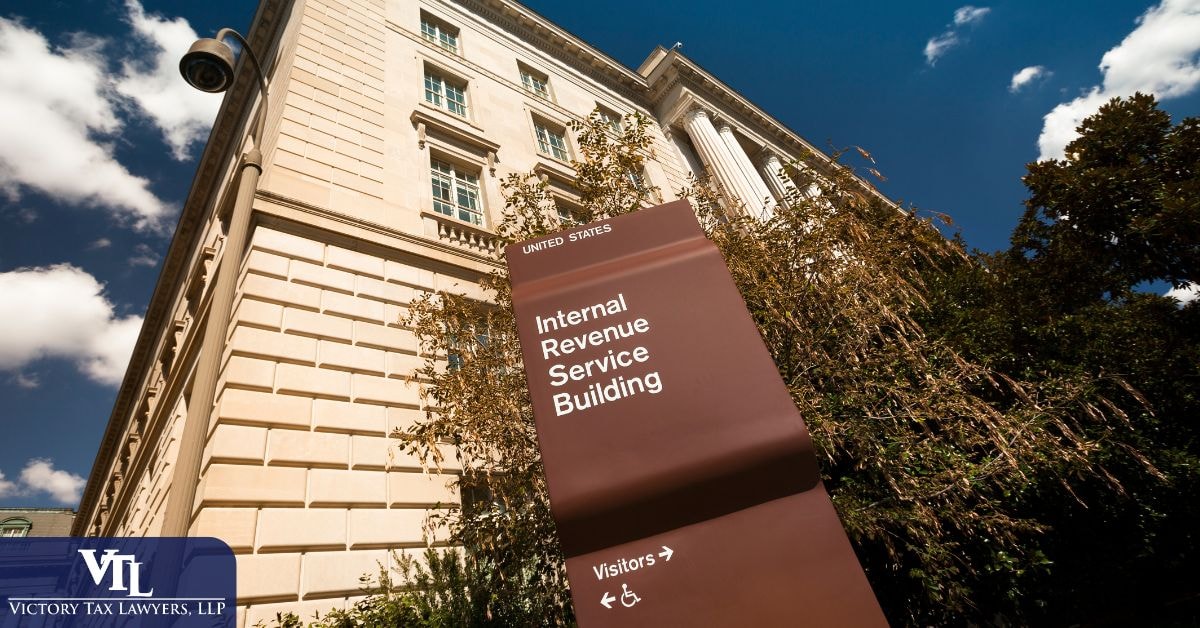
When the IRS suspects tax fraud, it first determines whether the matter should remain a civil audit or be referred for criminal investigation. If it determines that it should be referred for criminal investigation, it hands the case over to the IRS Criminal Investigation Division (IRS-CI), and you’re sent a target letter. The target letter lets you know that you’re the target of an investigation.
The IRS-CI typically investigates potential criminal violations involving fraud, money laundering, identity theft, and related financial crimes. The division has over 2,200 special agents trained in financial forensics and criminal processes.
Its agents employ various investigative techniques to obtain evidence, including conducting surveillance, interviewing third-party witnesses, executing search warrants, forensically examining evidence, subpoenaing bank records, and reviewing the financial data of the taxpayer. They then compile their findings into a “special agent report” that goes through multiple levels of review.
If, after the review, their evidence points towards prosecution, the report is then forwarded to the Department of Justice or U.S. Attorney for potential criminal action. Each year, the IRS refers roughly 3,000 criminal cases for prosecution, with a conviction rate exceeding 90%.
Other law enforcement agencies like the FBI and DEA may also be involved in the investigation, depending on whether the case falls within their jurisdiction. Once a criminal investigation begins, you should generally avoid having direct communication with investigators and instead work closely with a legal counsel.
What Happens if You’re Accused of Tax Fraud?
If you’re accused of tax fraud, it’s a serious allegation, but there are some things you can do to ensure you’re not dealt the short end of the stick.
1. Read Your Notice Carefully
If you are under investigation, the IRS will typically send a target letter or formal notice by mail. You want to read through this letter thoroughly as it’ll give you a grasp of the offense you’re being accused of, the deadlines you should watch out for, and the documents you need to submit. Take note of any requests made in the letter, as delaying your response could result in bigger problems for you. However, DO NOT respond or submit anything without first consulting your attorney.
2. Say Nothing (Without Counsel)
As the Miranda warning goes, “Anything you say can be used against you.” This includes statements made to IRS agents, investigators, or even other defendants connected to your case. Resist the temptation to share any bit of information or explain yourself before you speak with your lawyer. The only person you have an attorney-client privilege with is your lawyer. This means that no other person has a legal duty to protect your confidentiality.
3. Preserve Evidence
As we’ve mentioned earlier, the burden of proof in civil and criminal tax fraud cases rests on the government. This means the IRS is actively building and gathering evidence against you when you’re under suspicion of fraud. You cannot afford to be without evidence yourself.
Gather and safeguard every record relevant to your case: your tax returns, correspondence with the IRS, receipts, invoices, and any related documents. Destroying or altering evidence can lead to greater suspicion and more severe charges. Your attorney will go over your records to determine what supports your defense.
4. Consult a Specialized Tax Attorney Immediately
Tax fraud cases require not just legal expertise, but specific experience with IRS procedures and criminal tax defense. The sooner you involve an attorney, the more options you’ll have to protect your rights, explore tax relief options, negotiate with authorities, and potentially limit the scope of the investigation. The only guaranteed leverage in a fraud case is having a tax attorney by your side.
Can Tax Fraud Charges Be Reduced or Dismissed?
While tax fraud is a serious accusation, there are circumstances where charges can be reduced, or even dismissed, depending on the facts of your case. Common factors that can influence outcomes include:
- Lack of Willful Intent– If the government cannot prove you knowingly and intentionally misrepresented your taxes, the case may be downgraded or dropped.
- Plea Agreements– Plea agreement, also known as a plea bargain, is an agreement where the defendant agrees to plead guilty in exchange for a concession. Prosecutors may agree to reduce charges to civil penalties if you agree to make repayments or cooperate with their terms.
- Honest Mistakes– If you’re able to demonstrate that the errors were due to a misunderstanding rather than an intention to commit fraud, the IRS may dismiss the case.
- Strong Legal Defense– An expert tax attorney can help you identify weaknesses in the prosecution’s case, procedural errors, or violations of your rights. It’s why we never recommend you take any step without first seeking legal guidance.
- Cooperation with the IRS– Timely, good-faith responses and proactive efforts to resolve your issues can work in your favor and may result in the IRS reducing the charges levied against you.
- Voluntary Corrections– Filing an amended return and paying your back taxes before the charges against you escalate may also reduce or even eliminate your criminal exposure.
Ultimately, early intervention is paramount. It gives you the best chance of reducing or dismissing charges.
How Can a Tax Lawyer Help You if Accused of Tax Fraud?
Tax attorneys are always worth the spend, especially when the battle has gone legal with the IRS. Ultimately, a skilled tax attorney can be the difference between a manageable resolution and devastating consequences. Here are some ways a tax lawyer benefits your case:
- Explain Your Legal Rights and Options– A tax lawyer will start by walking you through the charges against you, the potential outcomes of the case, and your legal protections so you can make informed decisions. They’ll also review IRS records and supporting documentation to identify weaknesses or inconsistencies in the case that has been brought up against you. That way, you are thoroughly equipped to play to your strengths during the case.
- Represent You in All Proceedings– Working with a tax lawyer will ensure that you are properly represented and advocated for at every stage of the proceedings, from audits and interviews to courtroom trials. Whether the case is civil or criminal, they’ll build a strong defense strategy and present your evidence in the way that best maximizes your chances.
- Negotiate with the IRS– Negotiating with the IRS can be dicey if you’re not legally savvy. A thorough understanding of the tax code is needed to take advantage of its loopholes and ensure the best outcomes unique to your situation at the end of the day. This is what working with a tax lawyer guarantees. If resolution is possible, your lawyer can negotiate settlements, penalty reductions, payment plans, and other IRS forgiveness programs that minimize financial and legal damage.
- Correct Past Filings– If your previous returns had miscalculations and misrepresentations, a tax lawyer can help you sort it out. They can prepare and file amended tax returns to help show good faith and improve your case before the IRS.
- Protect You from Collections– While your matter is pending, they can work to stop or reduce aggressive collection actions such as bank levies, wage garnishments, or property liens. While your matter is pending, they can work to stop or reduce aggressive collection actions such as bank levies, wage garnishments, or property liens that may have been charged against you.
How to Avoid Tax Fraud Charges

When dealing with the IRS, prevention is always a better legal strategy to employ. Staying compliant starts with filing accurate and complete returns. This implies double-checking all your numbers and only claiming deductions and credits for which you are eligible. Errors, even unintentional ones, can trigger audits and unwanted IRS attention.
Additionally, you want to make sure you’re keeping detailed records of all your transactions for the right length of time. The IRS generally recommends you keep all tax returns and documentation for at least three years, because you never know what might come up.
Furthermore, be sure to always report all your income, including your wages, self-employment earnings, freelance work, tips, and investment gains. You also want to make sure you’re responding promptly to every letter and notice from the IRS. This can de-escalate the agency’s suspicion when dealing with you. Finally, constantly interface with your tax attorney, especially if your finances are complex, involve multiple income streams, or foreign assets.
When it comes to your dealings with the IRS, prevention is always a better legal strategy to employ. Some best practices to help you stay compliant include filing accurate returns from the get go and ensuring you’re claiming only the credits and deductions you’re eligible for, keeping proper records for at least three years because you never know what may ensue, reporting all your income including wages, self-employment earnings, freelance work, tips, and investment gains, responding promptly to every IRS notice sent to you, and finally, working closely with a tax attorney when handling your taxes.
Considering Your Options After Tax Fraud Charges?
If you’re facing tax fraud allegations, understanding whether your case is being pursued as a civil matter or a criminal offense is critical. Civil tax fraud typically focuses on recovering unpaid taxes and imposing financial penalties, while criminal tax fraud carries the added risk of imprisonment and several other reputational harm.
While the stakes in criminal cases are higher, neither of them should be taken lightly, as they can both result in substantial financial consequences. Victory Tax Lawyers is dedicated to defending our clients against IRS allegations, and we’ve been doing so for 10 years and counting. Our attorneys understand how the IRS builds fraud cases, and we use that knowledge to protect your rights and limit your exposure.
If you’ve been accused of tax fraud or believe you may be under investigation, contact us immediately for a confidential consultation. Alternatively, you can visit our office if you’d love to have an in-person meeting with the team. Don’t wait until the IRS escalates your situation. The sooner you act, the more options you have.
FAQ
Below are answers to common questions that can help you better understand what’s at stake, how the process works, and why experienced legal representation is essential.
Is All Tax Fraud a Criminal Offense?
No. While “tax fraud” often brings to mind criminal prosecution, some tax fraud cases are treated by the IRS as civil violations.
Can You Be Charged With Both Civil and Criminal Tax Fraud?
Yes. The IRS can pursue both civil and criminal actions for the same conduct.
What Penalties Can I Face for Civil Tax Fraud?
You face the risk of hefty penalties and fines when you’re charged with civil tax fraud. To be more precise, civil penalties can be as much as 75% of your unpaid tax amount, plus interest.
Does Everyone Go to Jail for Tax Fraud?
No. Jail time is a huge risk in criminal cases, but it’s not always the case. Many cases are resolved through fines, restitution, or probation—especially when there’s strong legal representation and early cooperation with authorities.
What Is the Conviction Rate for Tax Fraud?
The IRS Criminal Investigation Division reports that the conviction rate for federal tax prosecutions has never fallen below 90 percent.
How Long Does a Tax Fraud Investigation Usually Take?
It varies widely. Civil audits that involve tax fraud can take several months to over a year. Criminal investigations often take longer, sometimes several years, due to the complexity of gathering evidence and building a prosecutable case.
✓ Attorney-Reviewed Content
This content was written and reviewed by the licensed tax attorneys at Victory Tax Lawyers, LLP. Our attorneys specialize in IRS tax relief and are licensed members of the California State Bar with a nationwide practice.
Last Reviewed: 2026 · Meet Our Attorneys →